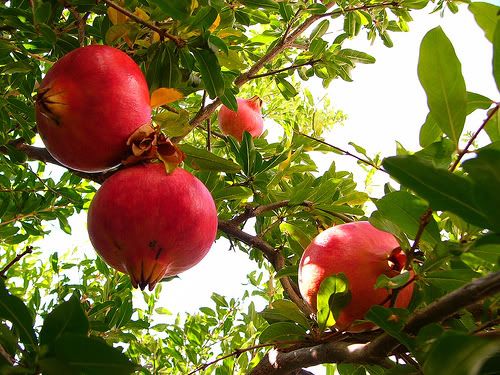
Adam transgressed the prohibition of eating from the Tree of Knowledge of Good and Evil. The Tree of Knowledge corresponds to secular wisdom, which confuses good and evil. This is the da'as of the Other Side, which by definition is a blemish in Holy da'as. And, the main aspect of this blemish was through the act of eating. Now, the rectification of this blemish is specifically through faith, as in, "and cherish faithfulness" (Tehillim 37:3) like the Rebbe explains in Torah 62. When a Jew does not eat with kedusha he has blemished his da'as, which relates to Hashem's providence, and he falls into the errors of secular wisdom, as is written, "lest you have eaten and will be satisfied and your heart will be lifted up and you will forget Hashem your God, etc. And you will say in your heart that 'my power and the might of my hand earned this wealth." (Devarim 8) This refers to when a person relies completely on natural occurrences, Heaven forbid, that is, for his livelihood, his strength, and the might of his own hands. He never thinks to thank Hashem for any of these things. This relates to a blemish of the hands - a blemish of the 28 knuckles and joints of the hands, which relate to the 28 letters in the first verse of the account of Creation. Hashem watches and attends to everything at all times. He gives strength (כ"ח - 28), literally 28, for Hashem watches and sustains the world through the 28 letters of Creation. Therefore, every Jew must sanctify his food in holiness.
Showing posts with label food. Show all posts
Thursday, June 7, 2012
Rectifying a Blemish in One's Da'as Through Eating
ל:ה - הלכות נטילת ידים ב:טו
A vessel that once belonged to a non-Jew requires immersion in a mikveh before it is fit for a Jew to prepare food with it. The akum, which corresponds to secularism and nature, are the basis of tumah. And, a vessel will not depart from their ownership to Jewish ownership, which is kedusha, until it has been immersed in a mikveh. The mikveh corresponds to Hashem's providence and da'as, which relates to, "The Earth will be filled with knowledge (דעה) of Hashem as the waters fill the sea." (Isaiah 11:9) It is imperative that the food a Jew eats has tremendous kedusha. And, the essence of a food's kedusha is through one's da'as, which reveals Hashem's providence [over the world].
Adam transgressed the prohibition of eating from the Tree of Knowledge of Good and Evil. The Tree of Knowledge corresponds to secular wisdom, which confuses good and evil. This is the da'as of the Other Side, which by definition is a blemish in Holy da'as. And, the main aspect of this blemish was through the act of eating. Now, the rectification of this blemish is specifically through faith, as in, "and cherish faithfulness" (Tehillim 37:3) like the Rebbe explains in Torah 62. When a Jew does not eat with kedusha he has blemished his da'as, which relates to Hashem's providence, and he falls into the errors of secular wisdom, as is written, "lest you have eaten and will be satisfied and your heart will be lifted up and you will forget Hashem your God, etc. And you will say in your heart that 'my power and the might of my hand earned this wealth." (Devarim 8) This refers to when a person relies completely on natural occurrences, Heaven forbid, that is, for his livelihood, his strength, and the might of his own hands. He never thinks to thank Hashem for any of these things. This relates to a blemish of the hands - a blemish of the 28 knuckles and joints of the hands, which relate to the 28 letters in the first verse of the account of Creation. Hashem watches and attends to everything at all times. He gives strength (כ"ח - 28), literally 28, for Hashem watches and sustains the world through the 28 letters of Creation. Therefore, every Jew must sanctify his food in holiness.
Thursday, April 12, 2012
How Does Food Sustain A Person?
קל"ה, הלכות פסח ג:א
Everything in the world is rooted in four essential elements: fire, air, water, and earth. Man and the food that he eats are also rooted in these elements. The essence of one's "life-spirit" is drawn into a person through the food that he eats as is empirically observed. Through this a person's vitality is sustained. But, the fact of the matter is that it is not only through bread alone that a person is sustained, that is, "through all that comes forth from Hashem's mouth," meaning, man is sustained through the "life-spirit" that Hashem draws into the food that is eaten. The essence of this vitality is from the Torah, from where the "life-spirit" is drawn as elaborated inside [both Likutei Moharan and Likutei Halachos].
Therefore, one needs to eat according to the Torah and Halacha, which relates to the concept of, "And Your Torah is within my inner parts." (Tehilim 40:9) No food item has strength to sustain a person unless it is bound up in Torah, which is the source of its vitality. Again, this is a concept of, "All that which comes from Hashem's mouth gives life to man." This corresponds to the brocha that a person must say on every food item he wishes to eat, because the brocha relates to "All that which comes from Hashem's mouth, etc," which relates to the "life-spirit" of holiness. This is the essence of vitality.
Everything in the world is rooted in four essential elements: fire, air, water, and earth. Man and the food that he eats are also rooted in these elements. The essence of one's "life-spirit" is drawn into a person through the food that he eats as is empirically observed. Through this a person's vitality is sustained. But, the fact of the matter is that it is not only through bread alone that a person is sustained, that is, "through all that comes forth from Hashem's mouth," meaning, man is sustained through the "life-spirit" that Hashem draws into the food that is eaten. The essence of this vitality is from the Torah, from where the "life-spirit" is drawn as elaborated inside [both Likutei Moharan and Likutei Halachos].
Therefore, one needs to eat according to the Torah and Halacha, which relates to the concept of, "And Your Torah is within my inner parts." (Tehilim 40:9) No food item has strength to sustain a person unless it is bound up in Torah, which is the source of its vitality. Again, this is a concept of, "All that which comes from Hashem's mouth gives life to man." This corresponds to the brocha that a person must say on every food item he wishes to eat, because the brocha relates to "All that which comes from Hashem's mouth, etc," which relates to the "life-spirit" of holiness. This is the essence of vitality.
Subscribe to:
Posts (Atom)